Frittata with Vegetables: A Complete Cooking Guide
Discover a versatile dish perfect for any meal! This frittata recipe offers a nutritious and filling option, easily paired with bread and avocado for a complete experience.
Understanding Frittatas: Origins and Variations
Frittatas, originating from Italian cuisine, are essentially an egg-based dish similar to an omelet or quiche, but without a crust. The name “frittata” itself comes from the Italian verb “friggere,” meaning “to fry.” Historically, frittatas were a resourceful way for Italian cooks to utilize leftover ingredients – vegetables, meats, cheeses – transforming them into a satisfying meal.
Unlike omelets, which are typically folded, frittatas are cooked slowly, often starting on the stovetop and finishing in the oven. This allows for a more even cooking process and a slightly denser, more custard-like texture. Variations abound across Italy, with regional specialties showcasing local produce and flavors. Some frittatas are thick and sliceable, while others are thinner and served in wedges.
Modern interpretations have expanded beyond traditional Italian roots, incorporating global ingredients and techniques. While traditionally a peasant dish, frittatas have gained popularity as a sophisticated brunch or light dinner option. They are celebrated for their adaptability and ability to accommodate a wide range of dietary preferences.
Choosing the Right Vegetables for Your Frittata
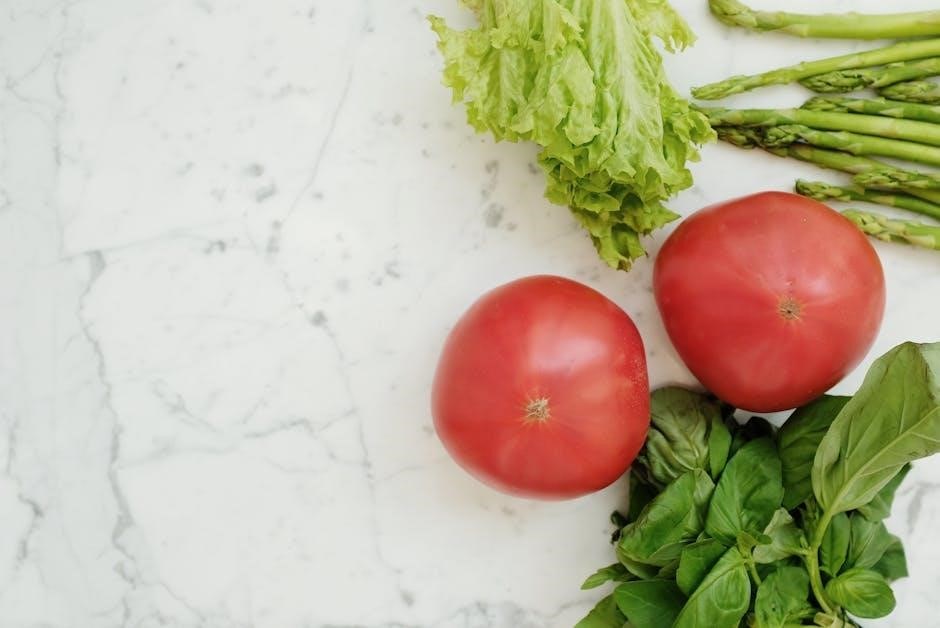
Selecting the ideal vegetables for your frittata hinges on both flavor and texture. Hearty vegetables like broccoli, bell peppers, spinach, and onions hold their shape well during cooking and contribute substantial flavor. Root vegetables, such as potatoes or sweet potatoes, require pre-cooking to ensure they become tender within the frittata’s cooking time.
Consider seasonal produce for the freshest taste and best value. Mushrooms add an earthy umami flavor, while zucchini and summer squash offer a delicate sweetness. Leafy greens like kale or chard should be wilted slightly before adding to the egg mixture to prevent a watery frittata. Avoid overly watery vegetables unless you’re willing to squeeze out excess moisture.
Don’t be afraid to experiment! Roasted vegetables bring a deeper, caramelized flavor. Think about color contrast – a mix of red peppers, green spinach, and yellow squash creates a visually appealing dish. Ultimately, the best vegetables are those you enjoy and that complement each other harmoniously.
Essential Equipment for Frittata Success
Creating a perfect frittata doesn’t demand specialized tools, but a few key pieces of equipment significantly enhance the process. An oven-safe skillet is paramount – cast iron is ideal due to its excellent heat retention and even cooking, but a non-stick skillet works well too, provided it’s oven-safe. Ensure the skillet has sloping sides for easy maneuvering.
A good quality whisk is essential for thoroughly combining the eggs and ensuring a light, airy texture; A flexible spatula is invaluable for gently lifting and folding the vegetables into the egg mixture and for loosening the frittata from the skillet; A cutting board and sharp knife are needed for vegetable preparation.
While not strictly necessary, a silicone spatula is helpful for scraping the sides of the skillet. Oven mitts are crucial for safely handling the hot skillet. Finally, a timer will prevent overcooking, ensuring a moist and flavorful frittata. With these tools, you’re well-equipped for frittata mastery!
Preparing the Vegetables: Techniques and Timing
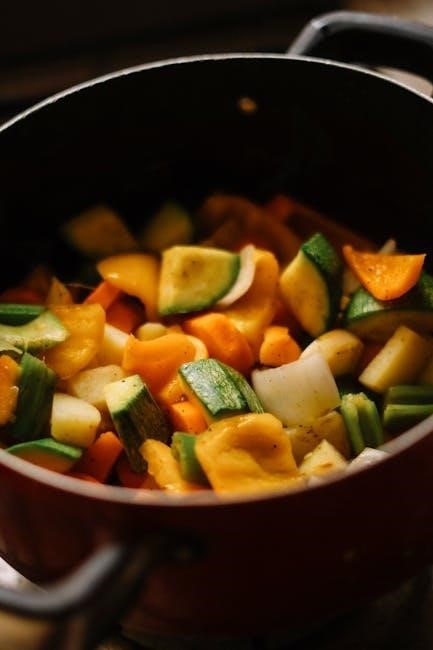
Successful frittata vegetable preparation hinges on proper technique and timing. Begin by washing and chopping your chosen vegetables into bite-sized pieces, ensuring even cooking. Consider the cooking time of each vegetable; denser options like potatoes and carrots require pre-cooking. Sautéing is the preferred method for most vegetables – onions, peppers, mushrooms – to soften them and develop flavor before adding them to the egg mixture.
Avoid overcrowding the pan during sautéing, as this steams the vegetables instead of browning them. A little olive oil or butter aids in even cooking. Leafy greens like spinach wilt quickly and can be added towards the end of the sautéing process. Pre-cooked vegetables should be slightly warmed before incorporation.
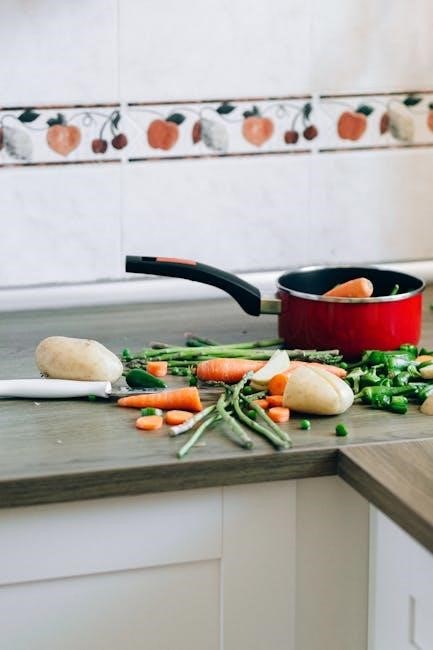
Properly prepared vegetables contribute significantly to the frittata’s texture and taste. Remember to season the vegetables lightly with salt and pepper during sautéing to enhance their natural flavors. This foundational step sets the stage for a delicious frittata.
Egg Mixture Perfection: Ratios and Seasoning
Achieving a light and fluffy frittata relies on a well-balanced egg mixture. A general guideline is 6-8 large eggs for a 9-10 inch skillet, providing sufficient volume without becoming overly thick. Whisk the eggs vigorously until the yolks and whites are fully combined and slightly frothy – this incorporates air, contributing to the frittata’s texture.
Seasoning is crucial. Beyond salt and freshly ground black pepper, consider a pinch of nutmeg or a dash of hot sauce for subtle complexity. Dairy, such as a tablespoon or two of milk or cream per 6 eggs, adds richness and tenderness, but isn’t strictly necessary. Avoid over-seasoning, as the vegetables will also contribute flavor.
For a smoother texture, strain the egg mixture through a fine-mesh sieve. Gently fold in the prepared vegetables, ensuring they are evenly distributed. A harmonious blend of eggs and vegetables is the key to a truly exceptional frittata.
Cooking the Frittata: Stovetop to Oven Method
The stovetop-to-oven method ensures a perfectly cooked frittata – set yet tender. Begin by heating an oven-safe skillet (cast iron is ideal) over medium heat with a tablespoon of olive oil or butter. Pour in the egg and vegetable mixture, distributing it evenly.
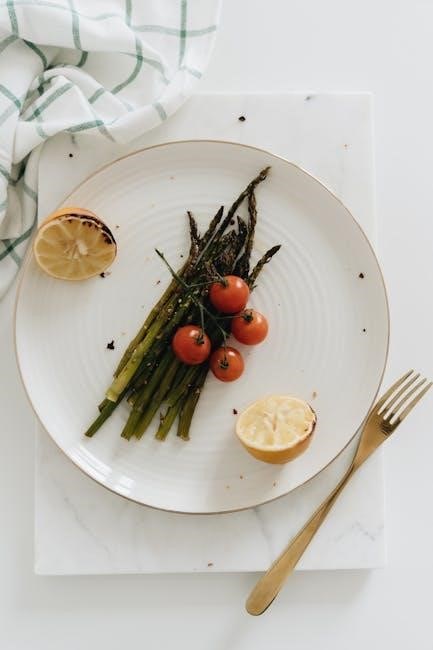
Cook on the stovetop for 5-7 minutes, gently lifting the edges with a spatula to allow uncooked egg to flow underneath. This prevents sticking and promotes even cooking. Once the edges are set and the bottom is lightly golden, transfer the skillet to a preheated oven, typically around 350°F (175°C).
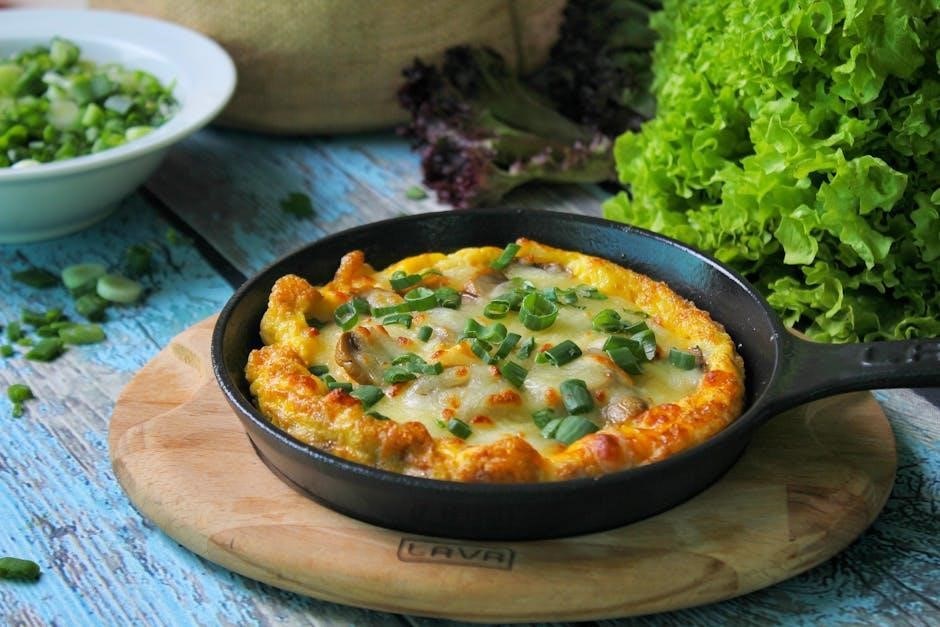
Bake for 10-15 minutes, or until the frittata is puffed and golden brown, and a knife inserted into the center comes out clean. The oven finishes the cooking process, ensuring the top is set without burning the bottom. Allow to cool slightly before slicing and serving.
Stovetop Phase: Initial Cooking and Setting
During the stovetop phase, gentle heat initiates the frittata’s transformation. After pouring the egg-vegetable blend into the heated, oven-safe skillet, reduce the heat to medium-low. This prevents rapid cooking and ensures a tender result.
Employ a spatula to gently push cooked egg from the edges towards the center, tilting the pan to allow uncooked egg to flow underneath. Repeat this process around the entire perimeter, creating layers and promoting even setting. This technique is crucial for preventing sticking and achieving a uniform texture.
Continue cooking for approximately 5-7 minutes, observing as the edges firm up and the bottom begins to lightly golden. Avoid excessive stirring, as this can disrupt the frittata’s structure. The goal is a partially set base ready for the oven’s finishing touch.
Oven Phase: Finishing and Browning
Transitioning to the oven completes the frittata, ensuring even cooking and a beautifully browned top. Once the stovetop phase establishes a set base, carefully transfer the skillet to a preheated oven, typically around 350°F (175°C).
Bake for an additional 10-15 minutes, or until the frittata is puffed and golden brown. The baking time may vary depending on your oven and the depth of the frittata. A gentle jiggle in the center indicates it’s nearly done; it will continue to set as it cools.
For enhanced browning, briefly switch the oven to broil during the last minute or two, closely monitoring to prevent burning. This imparts a delightful caramelized flavor and appealing visual appeal. Remove from the oven and let rest for a few minutes before slicing and serving.
Cheese Integration: Types and When to Add
Cheese elevates a vegetable frittata, adding richness and complementary flavors. Numerous options work wonderfully; consider sharp cheddar for a classic taste, Gruyère for nutty complexity, or crumbled feta for a tangy Mediterranean twist. Soft cheeses like goat cheese or ricotta can be dolloped on top before baking for a creamy texture.
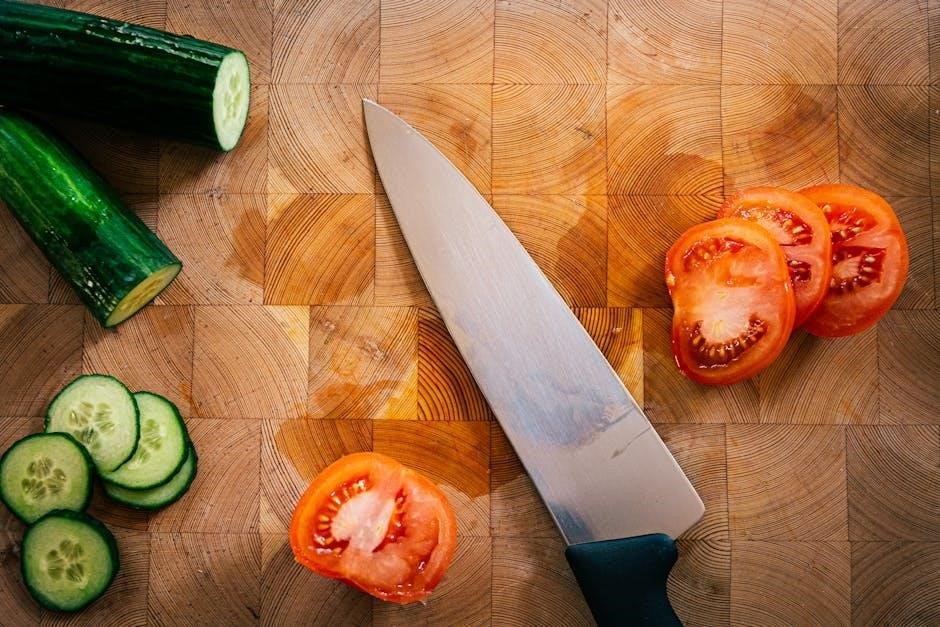
Timing is key for optimal cheese integration. For shredded or grated cheeses, incorporate them into the egg mixture just before pouring it over the vegetables in the skillet. This ensures even distribution throughout the frittata.
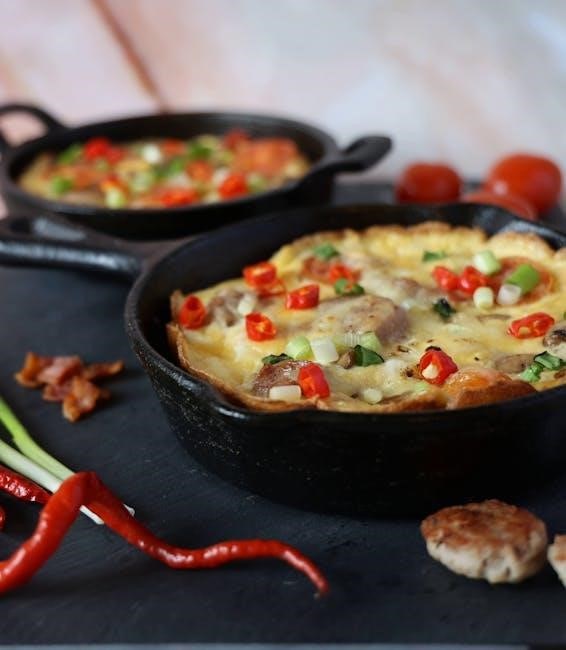
If using softer cheeses, add them during the final few minutes of the oven phase. This prevents them from melting completely and losing their distinct texture. Don’t overdo it – about ½ to ¾ cup of cheese is usually sufficient for a standard frittata, allowing the vegetable flavors to shine.
Popular Vegetable Combinations for Frittatas
The beauty of a frittata lies in its adaptability – almost any vegetable pairing works! A classic Italian combination features spinach, sun-dried tomatoes, and mozzarella, offering a vibrant and flavorful experience. For a Mediterranean flair, try zucchini, bell peppers, olives, and feta cheese.
Autumn flavors shine with roasted butternut squash, kale, and a sprinkle of nutmeg. Spring brings opportunities for asparagus, peas, and fresh herbs like chives or parsley. Don’t underestimate the power of simple combinations like broccoli and cheddar, or mushrooms and Swiss.
Consider color and texture when choosing your vegetables. A mix of vibrant hues and varying textures – from crisp bell peppers to tender spinach – creates a visually appealing and satisfying frittata. Pre-cooking denser vegetables like potatoes or carrots ensures they’re tender within the frittata’s cooking time.
Frittata Serving Suggestions and Accompaniments
A frittata is remarkably versatile, lending itself to various serving styles and pairings. For a light breakfast or brunch, serve slices with a side of crusty bread, perfect for soaking up any remaining egg mixture. A simple green salad with a vinaigrette dressing provides a refreshing contrast to the richness of the frittata.
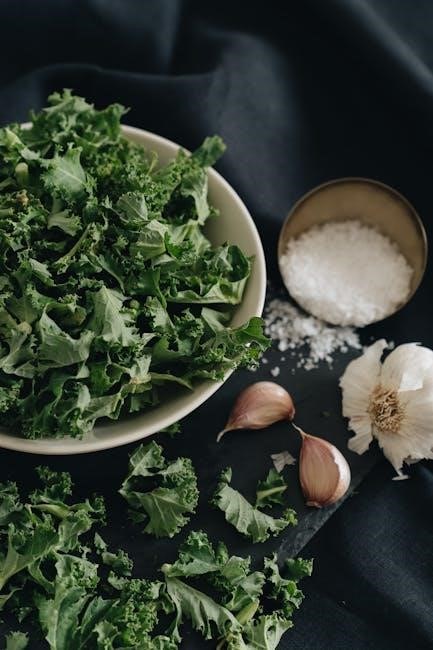
For a more substantial meal, consider pairing your frittata with roasted potatoes or a side of fruit. Avocado slices add a creamy texture and healthy fats, complementing the vegetable flavors beautifully. A dollop of Greek yogurt or sour cream can also enhance the overall experience.
Frittata is excellent served warm, at room temperature, or even cold, making it ideal for picnics or packed lunches. Garnish with fresh herbs like parsley or chives for a pop of color and added flavor. Don’t hesitate to experiment with different accompaniments to find your perfect pairing!
Storing Leftover Frittata: Best Practices
Leftover frittata stores exceptionally well, making it a convenient make-ahead option. Allow the frittata to cool completely before storing. This prevents condensation from forming, which can lead to a soggy texture. Once cooled, cut the frittata into individual portions for easy reheating and serving.
Wrap each portion tightly in plastic wrap or aluminum foil, or place them in an airtight container. Refrigerate promptly; properly stored frittata will remain fresh for up to 3-4 days. For longer storage, you can freeze individual slices. Wrap them securely to prevent freezer burn and they’ll keep for up to 2 months.
To reheat, you can use the oven, microwave, or skillet. The oven provides the most even heating, while the microwave is quickest. A skillet is ideal for reheating a single slice, allowing it to crisp up nicely. Ensure the frittata is heated through before consuming.
Troubleshooting Common Frittata Problems
Facing a soggy frittata? Ensure vegetables are properly drained after cooking to avoid excess moisture. Overcrowding the pan can also lower the temperature, hindering setting – use a larger pan or cook in batches. If the frittata sticks, ensure your pan is well-seasoned or non-stick, and use sufficient fat.
Is your frittata browning too quickly? Lower the oven temperature or tent the frittata loosely with foil during the final baking phase. An unevenly cooked frittata might indicate an uneven heat distribution in your oven; rotate the pan halfway through baking.
If the frittata is dry, consider adding a splash of milk or cream to the egg mixture. Remember, a slightly wobbly center is normal – it will continue to set as it cools. Don’t overcook! Finally, if it falls apart when slicing, allow it to cool completely before attempting to cut.
Adapting the Recipe: Dietary Considerations (Gluten-Free, Dairy-Free)
For a gluten-free frittata, the base recipe is naturally compliant! Ensure any added ingredients, like pre-made pesto or certain vegetable broths, are certified gluten-free to avoid cross-contamination. Focus on fresh, whole vegetables for optimal flavor and safety.
To create a dairy-free version, simply omit the cheese! Nutritional yeast can provide a cheesy flavor substitute, though the texture will differ. Consider using plant-based milk alternatives (almond, soy, or oat) in the egg mixture for added richness, but be mindful of potential flavor alterations.
For those with other sensitivities, carefully review ingredient labels. A frittata is incredibly adaptable; swap vegetables based on preference and tolerance. Experiment with herbs and spices to enhance flavor without relying on common allergens. Remember, a simple frittata can be both delicious and inclusive!
Frittata vs. Quiche: Key Differences Explained
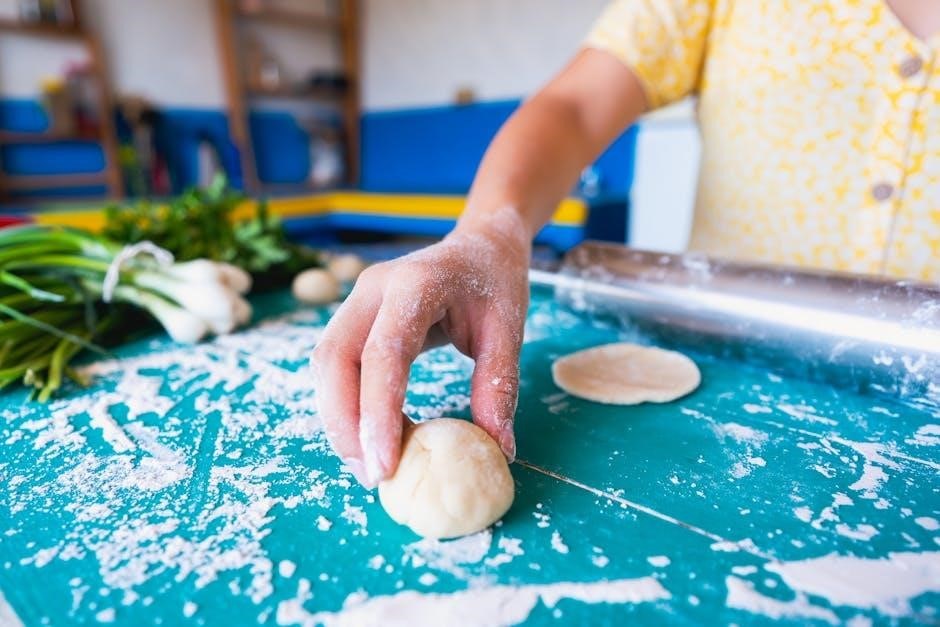
While both frittatas and quiches are egg-based dishes often featuring vegetables, significant distinctions exist. A quiche utilizes a pastry crust, providing a substantial base, whereas a frittata is crustless, making it a lighter option. This difference impacts both texture and preparation time.
The cooking method also varies. Quiches are typically baked entirely in the oven, relying on the crust to set. Frittatas begin on the stovetop, allowing initial setting, and are then finished in the oven for browning and complete cooking. This dual-method contributes to the frittata’s unique texture.
Furthermore, quiches often incorporate a custard-like filling with a higher ratio of dairy to eggs, resulting in a richer, creamier consistency. Frittatas generally have a more egg-forward flavor and a slightly denser texture. Both are versatile, but the frittata offers quicker preparation and a lighter feel.
Advanced Techniques: Adding Herbs and Spices
Elevate your frittata beyond the basics with strategic herb and spice additions! Fresh herbs, added towards the end of the stovetop phase, retain their vibrant flavor and color. Consider chives, parsley, or tarragon for a delicate freshness, complementing the vegetables.
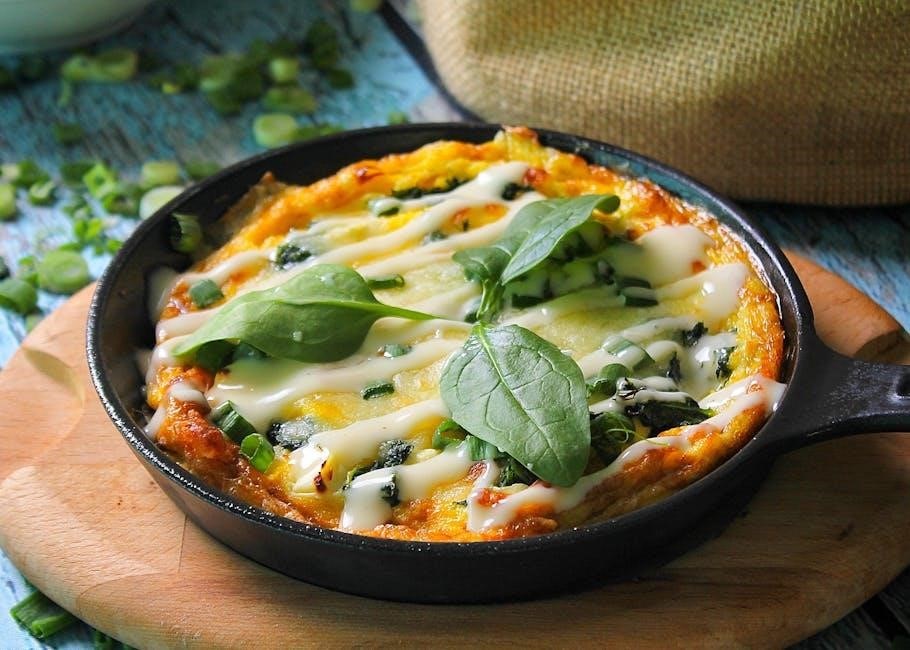
For deeper flavor profiles, incorporate spices directly into the egg mixture. Smoked paprika adds a subtle smokiness, while a pinch of nutmeg enhances the richness. Experiment with Italian seasoning, or a blend of herbs de Provence, to create a Mediterranean-inspired frittata.
Don’t be afraid to layer flavors. Sauté aromatic spices like garlic or shallots with the vegetables to infuse them with depth. A sprinkle of red pepper flakes can introduce a gentle heat. Remember to taste as you go, adjusting seasoning to achieve a harmonious balance. Freshly ground black pepper is always a welcome addition!